
What students should know.
Studying abroad in Florence is about much more than attending classes in a room. For many students, it’s their first experience living overseas, navigating culture, and adapting to a new pace of life. Understanding what to expect can help make the transition smoother and more rewarding.
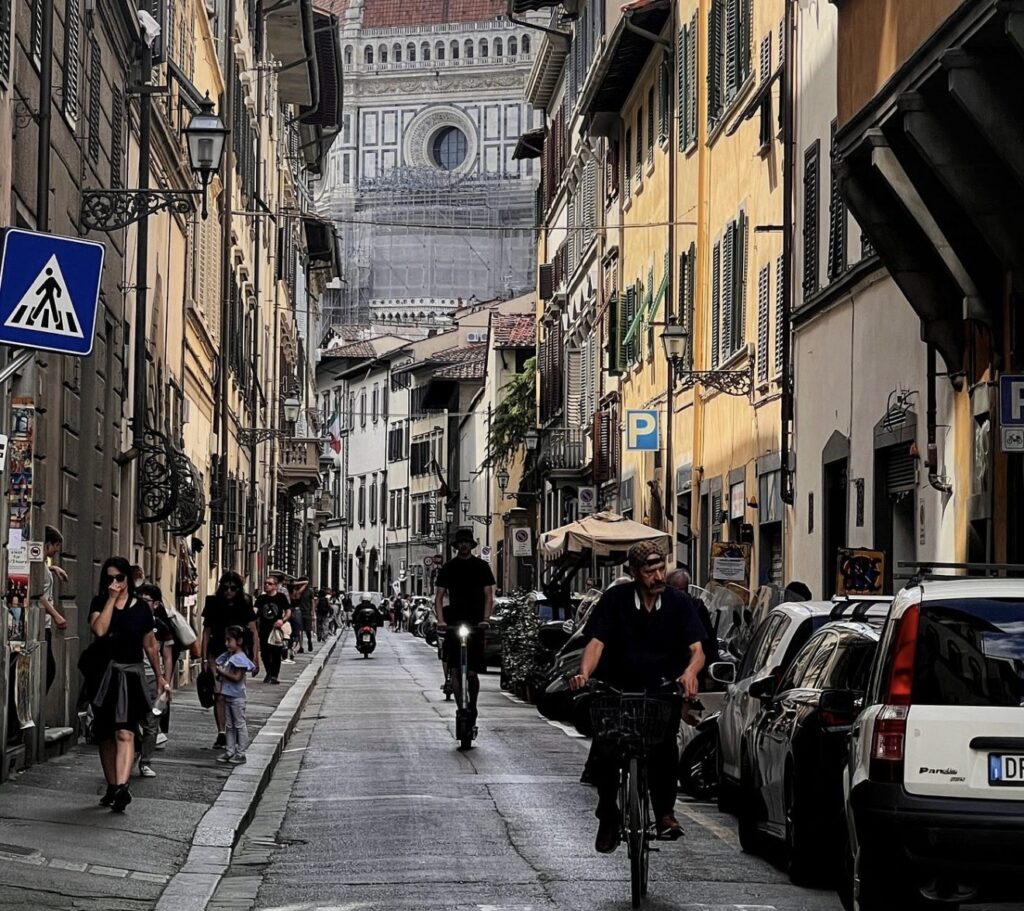
Walkable City Center
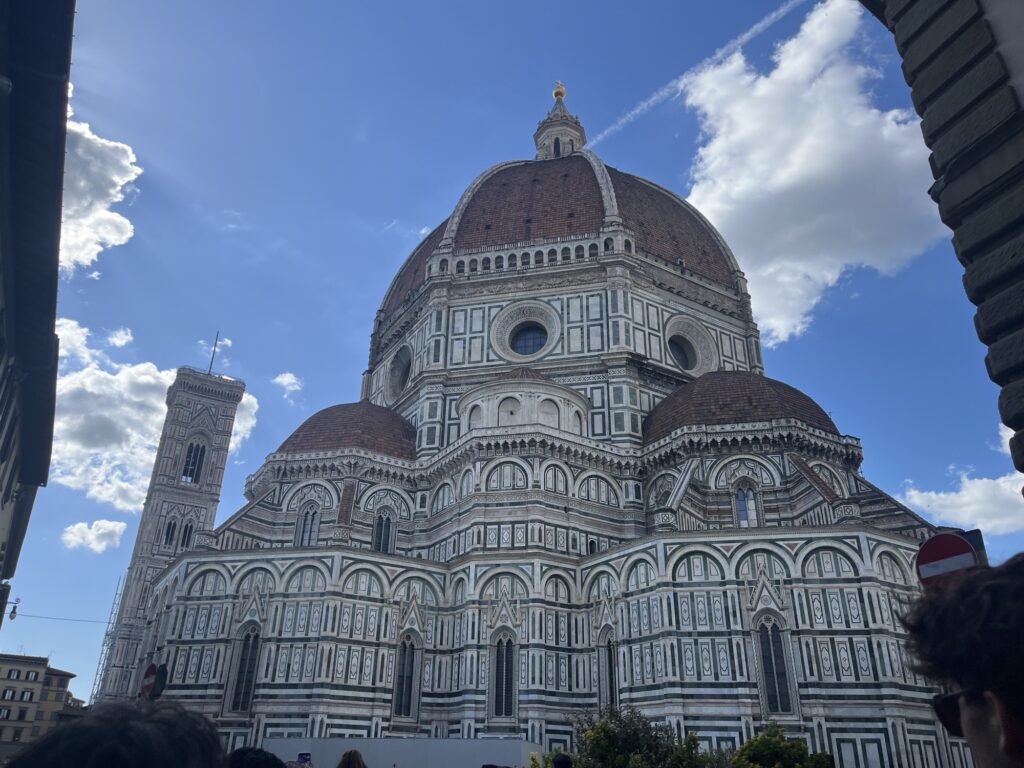
One of the first things American students notice is how walkable Florence is. Unlike many U.S. cities and college towns that rely heavily on cars, most of Florence’s historic center can be crossed on foot in less than an hour. Students often walk to class, meet friends in public squares, and complete daily errands without ever needing a vehicle.
Public transportation is available through buses and regional trains, but many students find that walking becomes their primary mode of transportation. Comfortable shoes quickly become one of the most important items in a student’s suitcase.
Different Pace of Life
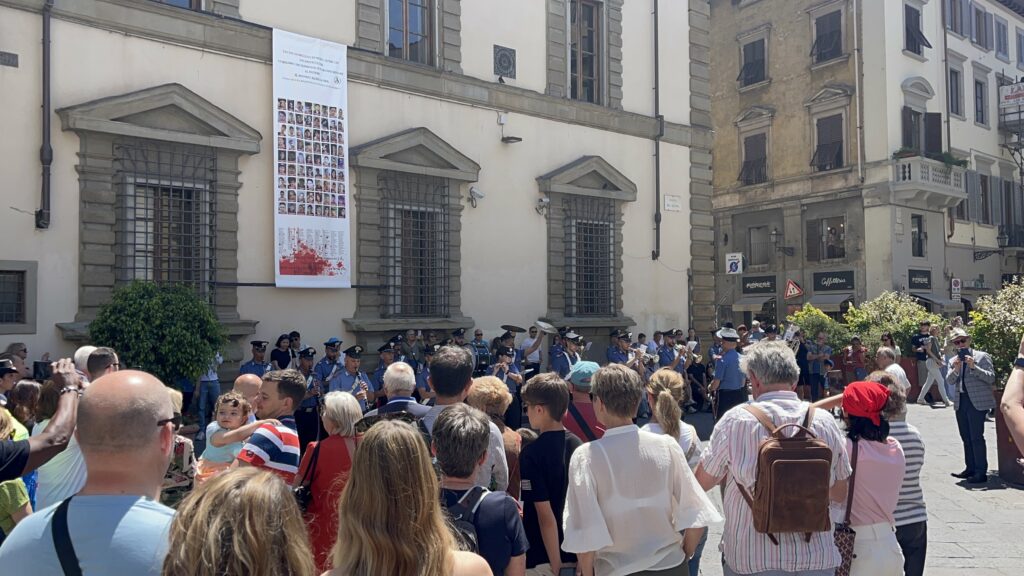
Life in Florence tends to move at a slower, more relaxed pace than many Americans are accustomed to. Meals are often enjoyed leisurely, conversations can last for hours, and people generally place a strong emphasis on quality of life and personal relationships.
Students may initially find this adjustment challenging, especially if they are used to busy schedules and constant activity. Over time, many discover that the slower pace allows them to be more present, enjoy their surroundings, and experience less day-to-day stress.
Smaller Living Space
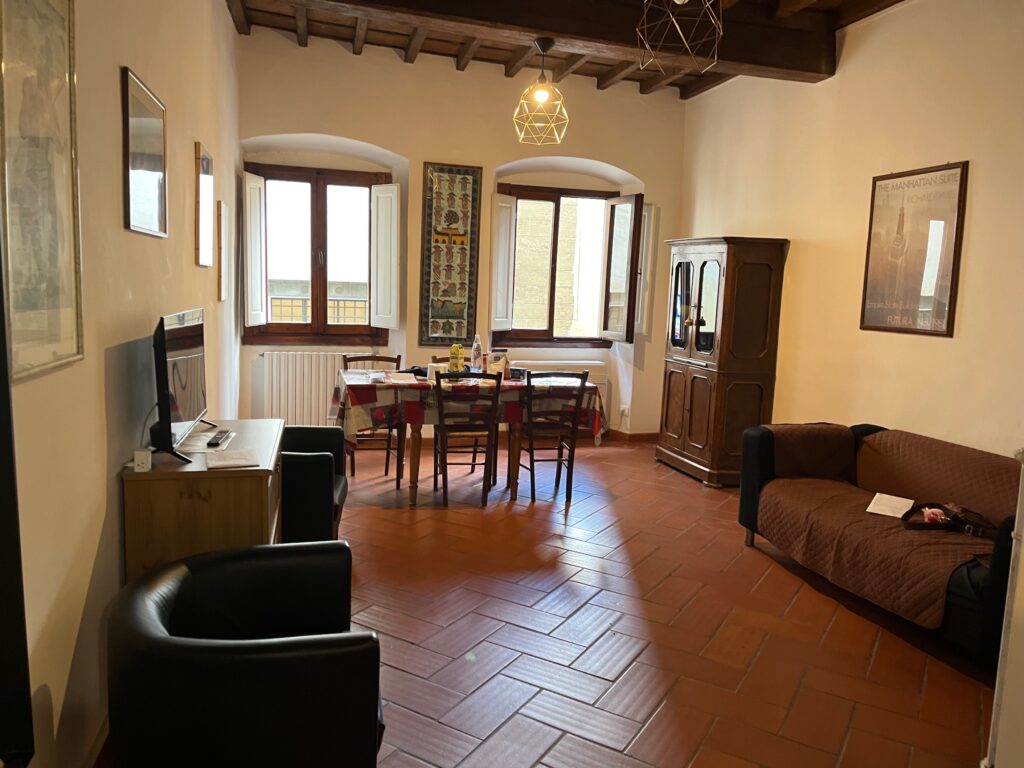
Housing in Florence is often different from what students expect in the United States. Apartments are typically smaller, older, and may lack amenities commonly found in American student housing. Air conditioning, large closets, dryers, and spacious kitchens are not always standard.
However, these accommodations often place students in historic neighborhoods where local markets, cafés, museums, and cultural landmarks are just steps away. Living in the heart of the city provides an immersive experience that many students find rewarding.
Food and Dining Culture

Food is a central part of everyday life in Florence. Students quickly discover that meals are often viewed as social experiences rather than simply a way to eat quickly between classes.
Many students find themselves developing a greater appreciation for cooking, local ingredients, and Italian culinary traditions.
Students may notice several differences:
— Restaurants generally do not rush customers through meals.
— Tipping practices differ from those in the United States.
— Grocery shopping is often done more frequently because people tend to buy fresh ingredients.
— Local markets play an important role in daily life.